Artists That SHOULD Be in the Rock & Roll Hall of Fame: The 1970s

RockHall3

The current crop of artists and bands vying for entry into the Rock & Roll Hall of Fame is a very impressive lists. Cutting across all genres, including rap, pop, rock, metal and alternative music (it is arguable that folk isn’t included, but that’s a rarity instead of the norm), the potential inductees in 2020 will have many more shots at the brass ring. But who from the past may be running out of chances at getting into the Rock Hall?

There are 221 artists and/or groups in the Rock & Roll Hall of Fame, and many might say that the truly immortal have already been enshrined. It is tough to nitpick this fact but, in this first part of a series of essays on this subject, I was able to come up with five artists from the 1950s who have yet to be inducted for their influences on the world of rock music. In the second part of a multi-part essay series, the 1960s were covered with a selection of artists that covered genres that have contributed to the world of rock music. Now, it’s time for one of the most difficult decades to critique – the 1970s.

Before you think that all the greats from the 70s have been nominated, you’ve got to remember some that I’ve advocated for and for many years. In another article, I talked about artists such as Warren Zevon and Jimmy Buffett, who have never even been nominated. There’s also a corps of solid 70s rock bands – Boston, Styx and Kansas leading the way – that haven’t even been nominated. These artists and groups are a given, so let’s delve a little deeper and take a look at some artists who might not be on the top of the list but should be in the Rock Hall for their contributions to the genre (not saying those mentioned haven’t, but they’ve got their longtime advocates!). As a reminder, we’re not including those that have been nominated this year. And this by no means is a comprehensive list of those who should be inducted – they are arguably the most notable oversights, however.

New York Dolls
NewYorkDolls

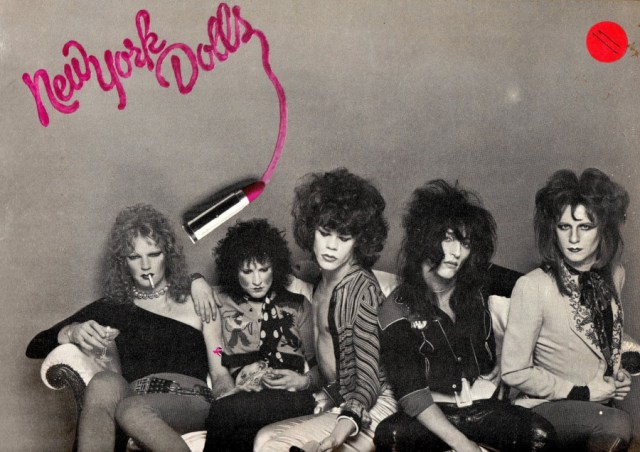
While they may sound like they are a women’s professional football team, the New York Dolls were actually the genesis for several formats of rock in the States of America. Led by David Johansen (who would go on to arguably greater success as a character he created, “Buster Poindexter”) and backed by guitarists Johnny Thunders and Sylvain Sylvain, the group came out around the same time as 2020 Rock Hall nominee T. Rex. Much like T. Rex did in England, the Dolls embraced the glam style of rock and opened up some minds while expanding the musical landscape.

The Dolls are credited with having an influence on punk rock, glam rock, and even metal to a degree, while their style of androgynous dress – dressing like the opposite sex to the point where you couldn’t determine if they were women or men – became a staple of bands from the 70s through today. Their music impacted such diverse bands as the Sex Pistols, Guns ‘N’ Roses and the Smiths, with their lead singer Morrissey a proclaimed acolyte of the band.

What works against the New York Dolls is something that works against many bright, shining lights that burn out on the battleground of rock music – they weren’t around very long. Founded in 1971, by 1976 the band had broken up (by the time the band broke up, Thunders had quit the group and Blackie Lawless, who would go on to front his own band W.A.S.P., was doing the axe work for the group). As previously mentioned, Johansen would go on to do “Hot! Hot! Hot!” and front a full orchestra called “The Banshees of Blue,” which was a FAR cry from what he did during his days with the Dolls. The group would reunite in the 2000s, but the magic was gone. A fitting end for the New York Dolls would be to reach the ultimate goal – the Rock & Roll Hall of Fame.

KC and the Sunshine Band
KCSunshineBand

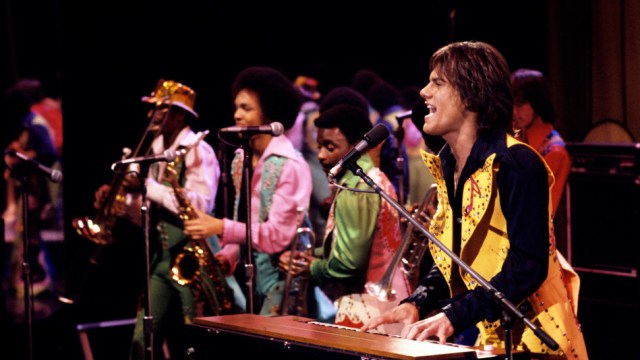
Although many don’t like to mention it, the disco era was a part of rock and roll. Many top rock acts of the day, including KISS (“I Was Made for Loving You”), The Rolling Stones (“Miss You”), Rod Stewart (“Da Ya Think I’m Sexy”), The Kinks (“Superman”) and many others all did a “disco” song, partially so that they would remain relevant during the disco era. As such, the Rock Hall should recognize the era and induct the best from that genre, starting with KC and the Sunshine Band.

Founded in 1973, the band would quickly find success in the discotheques of the U. S., first with “Get Down Tonight” in 1975 and followed by a litany of hit songs like “That’s The Way (I Like It),” “I’m Your Boogie Man” (covered by White Zombie is a genre mashup for the ages), and “(Shake, Shake, Shake) Shake Your Booty.” Of their six Top Ten singles, five of those went to #1 and the other went to #2…a pretty good track record.

There are many out there who would say that Chic, featuring the late drummer Tony Thompson and vocalist/producer/songwriter Nile Rodgers, would be a better choice, but why limit it to just one? Chic has been nominated on a few occasions and, honestly, should have already been inducted (Rodgers was inducted in 2017 via the “Award for Musical Excellence”). There’s no reason why both groups can’t be inducted, and it would bring the crème of the disco world into the Rock Hall.

War

WarBand

This was one that I had to really research before I came down for inducting the group. War was a groundbreaking funk act that not only pushed musical boundaries but also pushed the norms of the era. A multicultural ensemble, they were fronted for a time by Eric Burdon, who would ride with the group until he decided to go solo in the mid-70s. Whether with Burdon or without him, the group would put together a string of solid music.

Originally formed in 1969, War seemed to tap into the militancy of the time, when organizations and political elements felt they had to take stronger stances to make their points known. Beyond being multi-race, the music of War blended several different styles of music – Latin, jazz, blues and R&B – into a fusion that became a very recognizable sound. “Spill the Wine,” “Why Can’t We Be Friends,” and the classic “Low Rider” were the recognizable tunes from the band, only a sampling of the 14 songs that hit the Billboard Hot 100.

There might be others with a better chart history, but War delivered outside of simply the musical realm. They were groundbreakers in musical styling, they were groundbreakers in getting the best musicians for the band, regardless of race (much like 2020 Rock Hall nominee The Doobie Brothers), and they were able to maintain an excellence even after losing what many thought was the only thing driving them to success (Burdon). For these things, they do deserve induction.

Carole King and Gordon Lightfoot

As stated previously, I’ve been a longtime proponent of both Warren Zevon and Jimmy Buffett being inducted into the Rock & Roll Hall of Fame. They have both been at the forefront of their genres – Zevon in the creation of the “California sound” of country rock (along with another potential nominee, Gram Parsons) and Buffett in the creation of “trop rock.” But there’s a couple of other singer/songwriters that should also be inducted.

CaroleKing

Carole King’s contributions to the rock world are nearly too numerous to mention. Teaming up with Gerry Goffin in 1958, she would write 118 songs that hit the Billboard Hot 100, including such tunes as “Up on the Roof” (The Drifters), “One Fine Day” (The Chiffons), “(You Make Me Feel Like) A Natural Woman” (Aretha Franklin) and many others. When she finally got around to doing her own material, King only came up with Tapestry, considered one of the greatest albums not only of the 1970s but of all time. She’s technically in the Rock Hall as a “contributor” with Goffin, but she deserves her own place in the building as a performer and songwriter.

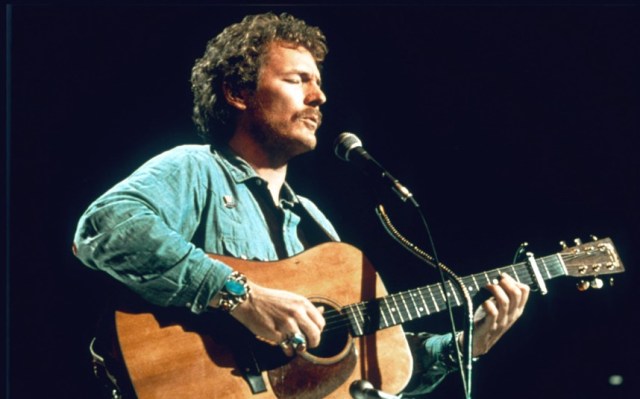
Lightfoot is one of those artists that many say, “he’s not in there already?” The Canadian is one of the people who helped move folk music into the mainstream with such tunes as “If You Could Read My Mind’ and “Sundown.” It is his epic tour de force on “The Wreck of the Edmund Fitzgerald” that most people remember him for, however. He’s been covered by such diverse artists as Johnny Cash, Herb Alpert, The Tragically Hip and Paul Weller.
GordonLightfoot

None other than Billy Joel has said that he intentionally wrote songs to “sound” like Lightfoot, all the way down to the vocals. This can be heard in Joel’s classic album The Stranger, with the song “She’s Always a Woman” being perhaps the best example of the Lightfoot influence. Lightfoot continues to perform, and strongly it must be added (usually when you see an 81-year old onstage, it isn’t their best work – Lightfoot is the exception); it would be fitting for the man to receive recognition for his life’s work.

Nick Lowe and Dave Edmunds
LoweEdmunds

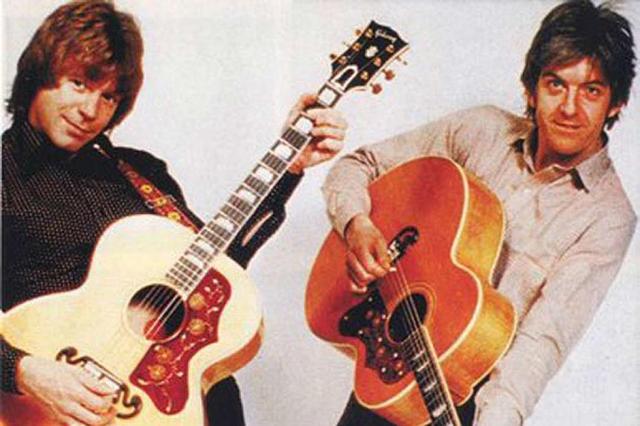
This is arguably one of the more controversial choices because many people would say “who?” when these names are mentioned. But both men have been a key linchpin in the evolution of the British music scene, even today.

Lowe got his start in the early 70s with Brinsley Schwartz, a country and blues-based group, but his quirky approach and songwriting style didn’t lend itself to the staider sound that the band wanted. But it also allowed Lowe to pen songs that the band didn’t use that became staples of the rock world later on, songs such as “(What’s So Funny ‘Bout) Peace, Love and Understanding” (a massive hit for Hall of Famer Elvis Costello) and the song that would become his biggest solo hit “Cruel To Be Kind.”

Lowe’s greatest contribution in stride with his songwriting was his producing. Not only did he produce Costello for many years, Lowe would be at the production board for the eclectic lot of Carlene Carter (his now ex-wife), The Damned, Paul Carrack, The Pretenders, John Hiatt, the Fabulous Thunderbirds and even the late Johnny Cash. His nickname ‘Basher’ came about because of his “bash it out” style in the studio, simply playing the songs and waiting until getting in the editing room to sweeten any sounds.

Edmunds followed a very similar path to Lowe. Playing the bar scene around the U. K., Edmunds demonstrated his virtuosity on the guitar, mostly concentrating on the blues and rockabilly. One of his big hits was in 1970 with a version of “I Hear You Knocking” that became a huge success. In the 80s, he would have some dabbling success as he tried to ride the MTV wave with “Slipping Away,” but he would be most remembered for his partnership with Lowe.

The Lowe/Edmunds duo partnered on arguably one of the iconic albums of the early 80s with their group Rockpile. Seconds of Pleasure was the only “official” Rockpile album (with Edmunds and Lowe sharing vocals alongside guitarist Billy Bremner and drummer Terry Williams), but the lineup basically served as the band for albums from Edmunds (Repeat When Necessary), Lowe (Labour of Lust) and Carter (Musical Shapes and Blue Nun). The Rockpile Years were the fusion of their love for the past in rock history while trying to move it forward in their own way.

While their chart legacy isn’t anything remarkable, the Edmunds/Lowe combination was one that brought the British music scene from the rockabilly sounds of the 1950s to the Beatles to the New Wave of the early 80s and onto this century. Their partnership, while fraught with infighting and disagreements, arguably brought out the best creatively between the duo. Like Lennon and McCartney or Jagger and Richards, the duo of Edmunds and Lowe (and there would probably be complaints from Lowe that it should be Lowe and Edmunds) need to be recognized for their contributions.

Next up is a decade that is going to provide even more arguments between rock aficionados. The 1980s are going to start the blurring of the lines between what traditionalists call “rock & roll” and what some call “pop” or other genres that aren’t as readily recognizable as “rock.” As I’ve stated before, it’s a big umbrella when you’re talking about “rock & roll” and there’s going to be some artists in our next part of this series that aren’t going to be your traditional “rock & roll” artists or groups. But we’ll cross that bridge when we come to it…in the next part of this series!

Artists That SHOULD Be in the Rock & Roll Hall of Fame: The 1960s

RRHallofFame

The current crop of artists and bands vying for entry into the Rock & Roll Hall of Fame is a very impressive lists. Cutting across all genres, including rap, pop, rock, metal and alternative music (it is arguable that folk isn’t included, but that’s a rarity instead of the norm), the potential inductees in 2020 will have many more shots at the brass ring. But who from the past may be running out of chances at getting into the Rock Hall?

There are 221 artists and/or groups in the Rock & Roll Hall of Fame, and many might say that the truly immortal have already been enshrined. It is tough to nitpick this fact, but in this first part of a series of essays on this subject, I was able to come up with five artists from the 1950s who have yet to be inducted for their influences on the world of rock music. In this, the second part of a multi-part essay series, the 1960s will take center stage.

It can be argued that, of all the generations that have been covered by the Rock Hall, the 1960s have been scoured thoroughly for those that should be inducted. That isn’t the case, however, including one group whose contemporaries have earned their seat in music’s version of Valhalla but haven’t gotten the call yet themselves. (As a reminder, we’re not including those that have been nominated this year. And this by no means is a comprehensive list of those who should be inducted – they are arguably the most notable oversights, however.)

Blood, Sweat & Tears

BloodSweatAndTears

There are those out there that would argue that Steppenwolf might be a better selection here, but I am holding forth Blood, Sweat & Tears as the choice. One of the most highly trained bands as far as musicianship, BST incorporated a vast repertoire of styles into their music. Jazz, blues, and country were all fused together to bring out the recognizable sounds of BST, racking up three Top Ten singles (albeit no Number One songs) and ten overall Hot 100 tracks in their career along with massive critical acclaim for their work.

A few things that hold back Steppenwolf might hold back BST, however. They were only around for a short period of time (1969-1974), much like Steppenwolf’s 68-72 tenure. Second, when you look at who can claim to have been a member of the band, there’s a LONG list of players who played under the BST banner (I joked with another person that Steppenwolf’s roster of former members was as long as an NFL roster – BST’s is just about as bad!). I choose BST over Steppenwolf because of the melding of different styles into a new part of the rock scene – while Steppenwolf made the term “heavy metal” come about, it was about motorcycles, not the music they were doing!

Lou Rawls

LouRawls

Rawls was one of those vocalists a person could hear and, once they were told who the singer was, that person would say “THAT’S Lou Rawls? I LOVE HIM!” That butter-soft baritone (to bass) voice was heard beginning in 1965, when he hit the charts with “Three O’Clock in the Mornin’.” His first #1 song on the Billboard R&B charts was 1966, when he would take “Love is a Hurtin’ Thing.” Overall, Rawls earned his way onto the Billboard Hot 100 18 times, the Billboard R&B 100 28 times and earn three Grammys for his body of work, with “You’ll Never Find (Another Love Like Mine” perhaps recognized as his masterpiece.

Rawls arguably paved the way for such deep-voiced vocalists as Barry White, 2002 Rock Hall inductee Isaac Hayes and a few others. And they would go on to bigger and better success than Rawls did. But that shouldn’t keep out the one who, along with Ray Charles and some other smooth-sounding soul legends, broke the ground for their success.

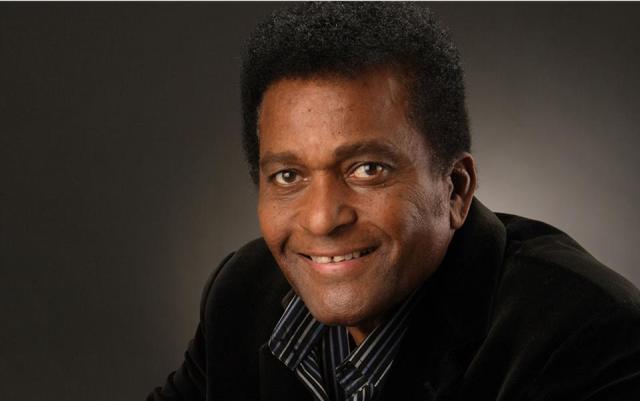
Charley Pride

CharleyPride

If you want to talk about a “Jackie Robinson” type figure, you don’t have to look any further than country music’s Charley Pride. Yes, there was a black man who was a member of the Grand Ole Opry back before World War II, but DeFord Bailey (thanks for recognizing him, Ken Burns!) would only crack the door slightly. Pride came along and kicked it off the hinges, becoming the first black singer to have substantial success on the country music circuit.

In the history of Pride’s record label, RCA Records, there was only one artist who outsold him…that artist was Elvis Presley. After a failed shot at playing professional baseball (in which he was once traded for a used bus), Pride got into his second love, music, and crafted his niche in the country music genre. He would make it onto the Billboard Hot 100 ten times, 52 Top Ten songs on the Country Hot 100 (including 30 #1 songs), won four Grammy Awards, was the Country Music Association Entertainer of the Year in 1971 (the first and only black artist to win that award) and has sold over 70 million albums in his lifetime.

There are those that say Pride might have already topped out the accolades with his induction into the Country Music Hall of Fame and membership in the Grand Ole Opry. But there’s one person who might want Pride to get full recognition – Darius Rucker, who made a long career with Hootie & The Blowfish before himself crossing over to country music and continued success. THAT’S what an inspiration does, and Pride is definitely that.

Tammy Wynette/Dolly Parton/Loretta Lynn

There is a dearth of women in the Rock Hall, especially those who have set the standard for female vocalists/songwriters with their career works. In addition to the gross overlook of Patsy Cline in the Rock Hall (discussed in the last segment of this series), there are other women who set themselves apart from the crowd that deserve their own recognition.

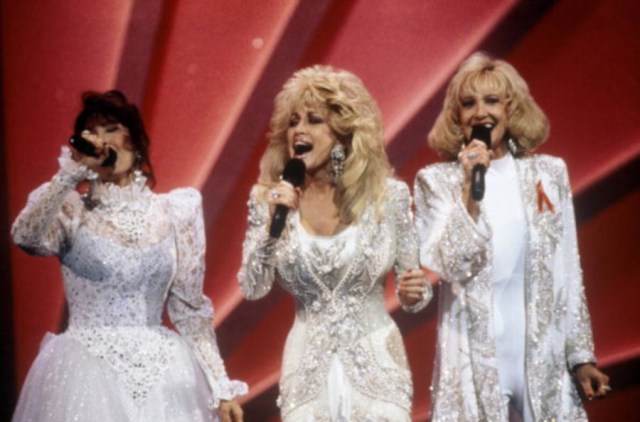
Photo of Tammy WYNETTE and Loretta LYNN and Dolly PARTON

Topping that list is Dolly Parton, who has spent basically the last 50 years proving everyone wrong about her talents. Originally just looked at as “eye candy” alongside Porter Waggoner, Parton quickly demonstrated that she played second fiddle to nobody, writing a string of hit country and pop songs that made her famous. Nine Grammy Awards, 25 #1 songs on the Country Hot 100, nominations for every part of the EGOT (Emmy, Grammy, Oscar and Tony Awards) and the author of over 3000 songs, Parton will forever be known as the woman who penned “I Will Always Love You,” taken to #1 twice by herself and 2020 Rock Hall nominee Whitney Houston.

Wynette and Lynn might not be as accomplished as Parton, but both or either would be worthy elections to the Rock Hall. Lynn might be the one to get the nod, however, because of her virulently feminist stance in an era when the “little lady” was supposed to be seen and not heard. Lynn wrote songs protesting the Vietnam War (“Dear Uncle Sam”), the way that divorced women were treated (“Rated X”) and birth control (“The Pill”) at a time when such discussion was quite controversial. Wynette would also have her moments in the sun during this era, but Lynn actually was the one rocking the boat…if that ain’t “rock and roll,” just what is?

The 5th Dimension

FifthDimension

This was one that, to be honest, I wasn’t aware of. I thought The 5th Dimension was already IN the Rock Hall. I looked it up and there were The Temptations and The Four Tops, but surprisingly the 5th Dimension wasn’t enshrined. This is arguably a gross oversight.

The 5th Dimension spanned the gap between the R&B world and the psychedelic world by delivering the anthem for a generation. “Aquarius/Let the Sun Shine” became the anthem of the Woodstock generation and 1969 was called “The Age of Aquarius” with this tune as its theme song. The group wasn’t just a one-hit wonder, however, hitting the Top Ten six times, the Top 100 30 times and the R&B charts 17 times.

Perhaps the best legacy of The 5th Dimension is that, when they did break up, the artists went on to further success. Founders Billy Davis, Jr., and Marilyn McCoo not only made great music as a duet, they were married and continued to have a happy life. Nick Ashford and Valerie Simpson, who were songwriters for The 5th Dimension, would also have their own success as a duet in the 1970s and 80s, but it all started with The 5th Dimension, something that should be honored.

The next part of this series will arguably be the toughest one of the lot. The 1970s gave us a great deal of legendary music and fantastic artists that created it for us. Like the 1960s, you might think that the 70s have been thoroughly covered, but that is far from the truth. There are some out there in the hinterlands that are waiting for their call from the Rock & Roll Hall of Fame to take their place in music’s Pantheon of immortals. But will that call ever come? As we will probably end every part of this series, the longer that we as fans – and the voters for the Hall – are removed from their heydays, the less likely it is that these artists and groups will earn their induction.

Artists That SHOULD Be in the Rock & Roll Hall of Fame: The 1950s and Before

RRHallofFame

The current crop of artists and bands vying for entry into the Rock & Roll Hall of Fame is a very impressive list. Cutting across all genres, including rap, pop, rock, metal and alternative music (it is arguable that folk isn’t included, but that’s a rarity instead of the norm), the potential inductees in 2020 will have many more shots at the brass ring. But who from the past may be running out of chances at getting into the Rock Hall?

There are 221 artists and/or groups in the Rock & Roll Hall of Fame, and many might say that the truly immortal from the 1950s and before have already been enshrined. It is tough to nitpick this fact, but in this first part of a series of essays on this subject, I was able to come up with five artists who have yet to be inducted for their influences on the world of rock music. In one case, the artist has earned a nod for their “early influence,” but they really should be inducted as well for the priceless value of their performances.

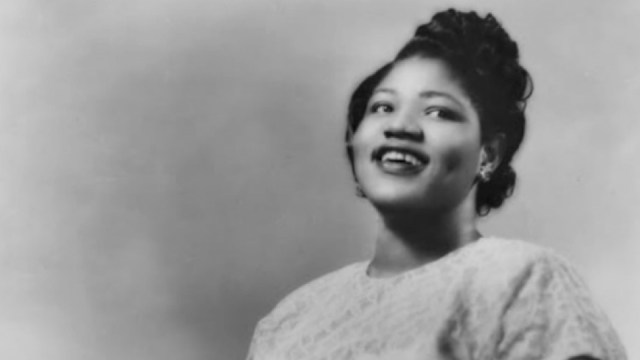
“Big Mama” Thornton

BigMamaThornton

One of the groundbreaking blues singers, Willie Mae “Big Mama” Thornton, called that because…well, there’s no way to be kind about this…she tipped the scales at around 450 pounds, was a vocalist who owned the R&B charts in the early 1950s. For those that only remember Elvis Presley’s 1955 version of “Hound Dog,” it was Thornton who originally brought the song to the masses in 1952 with her powerful version of the song written by Leiber and Stoller. She was one of the groundbreakers for women in the industry as well, like another person that will appear on this list.

The possible downsides for Thornton getting in is that she didn’t have the longevity that many would like in their performers. By the early 1960s, Thornton’s star had faded and many had forgotten about the blues pioneer. Also, beyond “Hound Dog,” Thornton did not have a lengthy list of hits, although another song she wrote and performed, “Ball ‘n’ Chain,” was never released by her record company; it would eventually become a monster hit in the hands of Janis Joplin, who viewed Thornton as an influence.

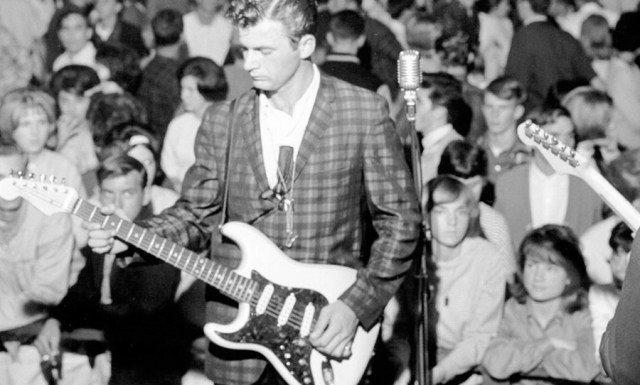
Dick Dale

DickDale

While the Beach Boys get the credit for the creation of “surf music,” that credit should really go to the master of the surf guitar, Dick Dale. Dale was at the forefront of innovation with the electric guitar in the 1950s, creating the “surf music” sound by combining Middle Eastern influences, reverb and pure speed in bringing out his unique sound. Dale’s career wasn’t a lengthy one but, to the Beach Boys, Jan & Dean and a host of other musicians and bands, Dale was a god.

Dale also is one of those artists that the Rock Hall misses out on honoring before they are no longer with us. Dale played right up to the last days of his life, passing away earlier this year from heart failure. It is very much like the nominations of Thin Lizzy and Motörhead this year, nominations that should have come long ago before the members of the group had passed away and not received the recognition they deserve.

Neil Sedaka

NeilSedaka

This was one that I initially didn’t agree with before I started my research. I always thought that Sedaka was just another nauseating “candy coated” pop music thief of black artists’ music. It was only after I really started looking at his career that I gradually began to shift my opinion.

Sedaka started out in 1957 and, since that point, has written over 500 songs that either he or other popular artists have recorded and charted. His own performance library includes the classics “Oh! Carol,” “Calendar Girl,” “Next Door to an Angel” and “Breaking Up is Hard to Do.” After a lull when the British Invasion hit the U. S., Sedaka would come back in the 1970s with songs like “Bad Blood” and “Laughter in the Rain.”

Sedaka would also pen songs for such artists as The Captain and Tennille, ABBA, Connie Francis and Jimmy Clanton. Although I still am not a huge fan of him as an artist, I’ve got to give him credit for his longevity, success and critical acclaim that he’s garnered for more than 60 years.

Patsy Cline

PatsyCline

Anyone who watched Ken Burns’ documentary Country Music cannot disavow what Patsy Cline did for the music industry, country or otherwise. She was performing while still in her teens and her first big song, “Walkin’ After Midnight,” came when she was a mere 21 years old. That song, which topped not only the country charts but also the pop charts, catapulted her into the realm of the immortals.

Her contemporaries Brenda Lee and Wanda Jackson are already in the Rock Hall (Lee as a performer in 2002, Jackson as an “early influence” in 2009), so it is highly illogical to keep Cline out because she’s “not rock enough.” If it weren’t for Cline, it’s arguable that there’s no Dolly, no Loretta, no Reba, no Shania and no Miranda. And, taking the other path of the evolution tree, possibly no Janis, no Suzi, no Joan, no Anne and Nancy…you get my point. Patsy Cline deserves a slot in the Rock Hall.

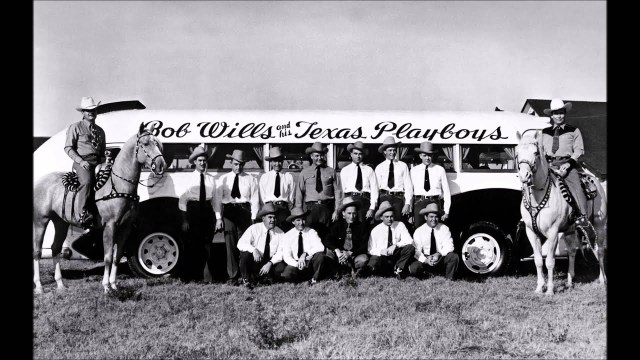
Bob Wills and His Texas Playboys

WillsTexasPlayboys

This is another artist that got a great deal of attention from the Burns documentary and it was well deserved. Their musical legacy is undoubtable, but what set Wills and his backing group apart was their non-stop touring, one of the things that is ENTIRELY rock and roll! The group would sometimes play three or four towns IN A SINGLE DAY and six of seven days per week (Wills did, as a good church man would, saved Sunday for worship).

Wills and His Texas Playboys technically are already in the Rock Hall as an “early influence” (1999), but they really deserve to be inducted as a performer outright. Without them, do we even hear of Hank Williams and his progeny, Johnny Cash, the “Texas Outlaws” (Willie Nelson, Waylon Jennings and Company) or a host of others who came out during the 1960s and 70s? Maybe we do, but Bob Wills and His Texas Playboys paved the way.

Speaking of the 1960s, there are some from that era who haven’t been inducted into the Rock & Roll Hall of Fame as of yet! In the next part of this series of essays, we’ll examine those that have been the biggest oversights and, as of yet, have not been inducted into the Rock Hall. Will these oversights be corrected? The longer that we as fans – and the voters for the Hall – are removed from their heydays, the less likely it is that they will earn induction.

The Highwomen Deliver Emotional Effort, Sheryl Crow Going Out with a Bang

One of the things that the world of music has gotten hammered on over the past few years is the paucity of female performers, both on the radios and satellites of listeners and in the awards process (Grammys, CMAs, etc.). It is a fair argument too; in country music currently, you have to go down to #11 on the Billboard Country Singles chart to find the first female entry (Carrie Underwood) and, on the Billboard Hot 100, although the first three slots are occupied by women or male/female combos (Lizzo’s “Truth Hurts,” Shawn Mendes & Camilla Caballo with “Senorita” and Billie Eilish’s mopey “Bad Guy”), there are only two other female contributors in the Top 20 (the Ariana Grande/Miley Cyrus/Lana Del Rey collaboration for the reboot of Charlie’s Angels entitled “Don’t Call Me Angel” and Ariana Grande with Social House). With two new releases out from top female artists, you might think that this situation would change, but you’d be surprised.

TheHighwomen

First up is the rather ostentatiously named The Highwomen, who have come out with their eponymous CD Highwomen. The quartet, consisting of Grammy winners Maren Morris, Brandi Carlile and Amanda Shires along with Grammy nominated songwriter Natalie Hemby, are all very accomplished performers and songwriters in their own rights. Coming together for this record, however, they put their egos at the door and come up with an emotional effort that delivers across the board for their purposes as a female country supergroup.

Let’s get one thing out of the way first, however: they probably should have called themselves something other than “The Highwomen.” That name harkens back to the 80s when four of the titans of country music – the late Johnny Cash and Waylon Jennings, Kris Kristofferson and Willie Nelson – joined forces as “The Highwaymen,” a country supergroup that brought each man commercial and critical success. By branding themselves as “The Highwomen,” it seems that Morris, Carlile and Company are equivocating themselves as equal to the legendary male artists who made the name famous (plus they’re putting a HUGE target on themselves). Even Dolly Parton, Emmylou Harris and Linda Ronstadt – the closest thing there was to a female “Highwaymen” previously – didn’t have the audacity to call themselves “The Highwomen.”

If you can get by the quartet calling themselves “The Highwomen,” you’re going to find a very solid outing from the artists involved. Of course, they have to start off the album with their version of The Highwaymen’s “Highwayman,” and it is naturally called “Highwomen.” It follows the pattern that was set by Cash, Nelson, et. al., with a call-and-response song about repressed women in history. A woman subjected to and executed during the Salem Witch Trials; a Freedom Rider murdered in the South; and (poignantly starting the song) a refugee from Honduras who took the long walk to try to seek asylum with her family in the U. S before dying on the trek. It is an excellent update from the male oriented original and starts a very emotional trek that runs through the album.

“We are the Highwomen,
Singing stories still untold.
We carry the sons you can only hold.
We are the daughters of the silent generation,
You send our hearts to die alone in foreign nations,
And they return to us as tiny drops of rain
But we will still remain…”

TheHighwomen2

Going deeper in the album there are some jewels for the listeners. Perhaps for the first time ever, there is a lesbian “kiss off” song called “If She Ever Leaves Me” that tries to subtly tell a cowboy that the woman he’s looking at picking up – Carlile’s secret lesbian lover – “thinks your cologne’s too strong, she’s into perfume” and that he has absolutely no shot. Another song that is noteworthy is “My Only Child,” a song from a mother to her child about why she didn’t have any more children for her child to play with.

The songs aren’t long on Highwomen, roughly three minutes in length for the 12 songs on the record, but each one packs an emotional punch that doesn’t get displayed often in music. If you’re a fan of the women in the group – or you just want to hear some damn good country (or maybe “Americana”) music – you’d be well advised to pick up the record.

SherylCrow

In her over 30-year career, Sheryl Crow has pretty much done it all. Originally a music teacher, Crow would in 1987 become a backup singer for Michael Jackson on his Bad tour. She would eventually find success as a solo artist through her debut album Tuesday Night Music Club in 1994. Now, more than 25 years later (Rock & Roll Hall of Fame, are you listening?), it looks as though Crow is calling it a close for her album recording career with her CD Threads.

Why does it seem like the Missouri songbird is ending her recording career? Because it seems that she brought everyone and their brother out to play with her on the album! Both Morris and Carlile from The Highwomen make appearances with Crow and they rank as the MINOR players on the record. Artists such as Stevie Nicks, Bonnie Raitt, Mavis Staples, Eric Clapton, Gary Clark, Jr., Keith Richards, Willie Nelson, Joe Walsh, St. Vincent, James Taylor and Emmylou Harris all add their prodigious talents to the record, making it for a stellar outing. Let’s put it this way: if this is the way that Crow wants to bid adieu to her recording career, she’s done a hell of a job.

SherylCrowThreads

There are several highlights on the record. “Prove You Wrong” with Crow harmonizing with Nicks and Morris, starts the record with a bang that sets the ever-increasing standard for the rest of the record. “Beware of Darkness” is an ode about falling too far down “the rabbit hole” and letting everyday news bring us down, brought to life by the guitar work of Clapton and the vocals of Sting and Carlile.

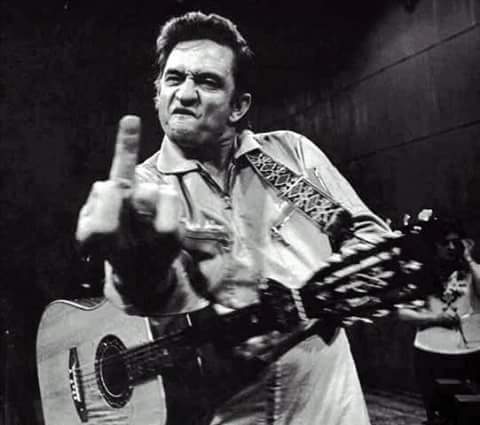
It is a couple of collaborations you don’t expect that seem to steal the record, though. First is a stunning “Redemption Day,” a duet with the late Johnny Cash. The collaboration took a version of her song that Cash recorded before he passed away and mixed it with her voice, delivering a performance for the ages. From Crow’s lilting voice to the gravely rumble of “The Man in Black,” the song that Crow wrote about the U. S. involvement in Bosnia gains new life in these times. Crow comments in the liner notes that “online trolls say ‘shut up and sing…’ I’d think no one would have the gall to tell Johnny Cash to shut up and sing…he’d probably respond with the famous photo Jim Marshall took of him at San Quentin, the shot taken ‘just for the warden.’”

JohnnyCashFlipsBirdWarden

The other collaboration is surprising in the mixing of genres that comes together. Crow teams up with Public Enemy’s Chuck D, soul singer Andra Day and guitar wizard Clark on “The Story of Everything,” a song that, according to Crow, “was born out of the feeling of frustration with the state of affairs in America…so much hope accompanied our first black President into office, but that hope turned into fear and division.” The foursome power through the song, calling out those who continue to push the divisiveness in the nation today, and they aren’t shy about laying it at a certain politician’s door. Musically the song is evocative, lyrically it is a protest from the people…and a warning that the people better pull their heads out of their asses.

The record could have been called “Sheryl Crow and Friends” because, without the ample assistance from Crow’s pals, the record wouldn’t have been as impactful as it is. Crow’s steady, beautiful mezzo-soprano is accented by each and every performer and she’s smart enough to know when to get out of the way and let her guests do their thing. If it is goodbye to recording for Crow, this is one hell of a way to exit the stage.

Alas, it appears nobody is listening to these artists. The Highwomen are currently ranked #53 on the Billboard Album charts after peaking at #10 two weeks ago, while Crow’s record reached #30 on the Albums chart and #2 on the Country Albums chart before plunging off in a mere two weeks. This is a sad statement on the music industry today, but it is something that REAL music fans will appreciate by supporting these women.

Turning Back the Clock with New Releases from Bruce Springsteen, Prince

CREATOR: gd-jpeg v1.0 (using IJG JPEG v62), quality = 100

If it seems like you’ve stepped into the DeLorean from the movie Back to the Future when you look at the Billboard Album charts, you would be correct. Later this week, Madonna’s new record Madame X will ascend to the top of the charts. Likewise, veteran rocker Bruce Springsteen will be there in the second slot with a collection of western swing and acoustic tunes on his album Western Stars. Finally, the late Prince will make his own appearance as his estate releases his Originals CD, a collection of demos that the Purple One performed and gave to other artists for their own success.

All three of these artists were highly influential on the development of MTV – you know, that channel that used to show music videos before it devolved into a reality show hub of hedonistic and oversexed muscle heads from New Jersey and knocked up teenagers before they head to porn to make a living. And Madge and “The Boss” have been in this position before – in 1985, with her Like a Virgin album taking down his Born in the U.S.A. in February of that year. Since I’ve never had a great affection for Madge, however, we’re going to focus on the two men in this look back in time, Prince and Springsteen, and what they bring to the table.

PrinceOriginals

For better or worse, the late Prince’s estate is continuing to release materials from “The Vault,” which supposedly contained thousands of Prince’s outtakes from studio sessions that either he never felt should be released, that he didn’t consider good enough for release or that he felt he could still work on and improve. Last year, The Prince Estate released Piano and a Microphone 1983, a stark piece of work that showed Prince’s creative process but also highly early drafts of songs he could have made better. Reviews for that were mixed because of these facts and those arguments will be revived for his new CD.

On Originals, The Prince Estate has cobbled together 15 songs that Prince originally wrote and put down on tape, but then did the unexpected. Whether he planned on it (and, with some of the songs, it was planned) or whether it was out of the blue, Prince gave the songs and, perhaps most importantly, the credit for creation to other artists. This is unheard of in the industry; the most valuable right that an artist can have is the songwriting credit, which gives a lifetime of royalties for performance and playback.

The CD begins with two songs that were readily recognizable as Prince songs but were made famous by others. “Sex Shooter” (done in the move Purple Rain by Apollonia 6) and “Jungle Love” (performed OUTSTANDINGLY by Morris Day and the Time in the same film) sound as if they could have come off the movie soundtrack. While “Sex Shooter” sounds more come hither with Apollonia and her backing singers, Prince does give the structure of the song. The same can be said for “Jungle Love,” but it is arguable that Day and Jesse Johnson, the guitarist on the song, provided the swagger that it would eventually earn.

The third song on the CD is arguably the most noteworthy of the songs on the collection and shows how artists collaborate well. “Manic Monday,” which an infatuated Prince gave to Susanna Hoffs of the Bangles, is a powerful piece of pop craftsmanship in the hands of the Purple One. All Hoffs and the Bangles had to do was fill in some blanks, changing some of the piano tracks and adding in the four-part harmonies that they were famous for.

What are the jewels of Originals, however, are the lesser-known tracks. Tunes that were recorded by Vanity 6 (“Make-Up”), Mazarati (“100MPH”) and – believe it or not – Kenny Rogers (“You’re My Love”) could have used a little support from their Creator, but he was happy to just be able to try to help his proteges/friends. And, to finish off the record, the simply amazing recording of his version of the song he would give not only to Sinead O’Connor (and would make her an international superstar) but also to The Family, “Nothing Compares 2 U” closes the album with a smash.

Even though I am an unabashed Prince fan, I STILL feel a sense that we aren’t supposed to be hearing these pieces, however. Much like when Microphone came out last year, it almost seems as if you’re infringing on the private thoughts and noodling of an artist in a creative process, not someone who was laying down a track for the public to hear. On these songs, Prince was giving the framework to the performers who would later make them smashes. He WASN’T doing it for himself and he probably never intended for them to be heard, content in staying in the shadows and allowing his friends to shine on their own.

Does this mean I am going to stop purchasing the new releases when The Prince Estate puts them out? HELL NO! Originals is an outstanding piece of musical history and, arguably, should have been released last year instead of Microphone. It shows that Prince was quite altruistic with his creative output (for whatever reason that may be) and it did help some artists become big and big artists become huge because of his involvement. It also shows that he could have made these songs hits on his own, but he decided they were better in the hands of others – truly a man who knew his boundaries.

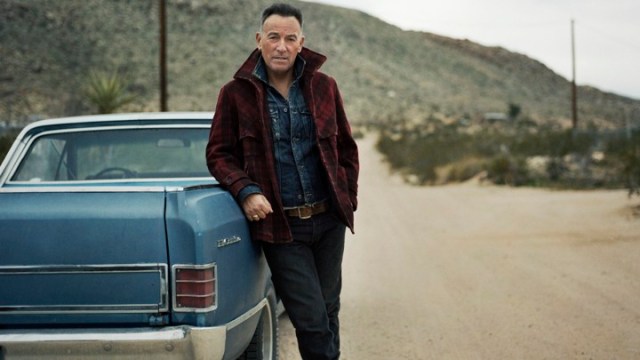
SpringsteenWesternStars

Another performer also known for letting other artists make hits out of his songs is Bruce Springsteen. Such artists as Patti Smith and 10,000 Maniacs (“Because the Night”), Manfred Mann’s Earth Band (“Blinded By the Light”), the Pointer Sisters (“Fire”) and even the late Natalie Cole (“Pink Cadillac”) have recorded his songs, entrenching him as one of the great songwriters of our time. But artists are going to have a hard time remaking anything from “The Boss’” most recent work.

Western Stars is a love letter from Springsteen to the “California sound” of music from the 70s that fused country and rock into a softer sound. To be honest, though, it misses the mark in that area. It isn’t an ode to the sounds of Fleetwood Mac, Jackson Browne, the Eagles and Linda Ronstadt; in fact, it’s difficult to determine just WHAT sound Springsteen is going for on the CD.

Springsteen uses way too much orchestration for it to be a “country rock” album in the vein of those 70s artists. But it doesn’t quite reach all the way to country music nor western swing music. There seems to be but one reason for the CD to be in existence…Springsteen’s gravitas as an artist.

It isn’t like Springsteen hasn’t done some off the beaten path material in the past. After the success of The River, people were expecting a massive smash from “The Boss.” Instead, Springsteen gave them a stark, four-track album of acoustic material that was artistically outstanding in Nebraska. He would repeat this style of acoustic music a little more than a decade later on The Ghost of Tom Joad (the title an homage to John Steinbeck’s novel The Grapes of Wrath about the western dust bowls of the 1930s).

SpringsteenWestern

But this effort from Springsteen lacks something. On both Nebraska and Tom Joad, there was a heart and a passion to the music that made it sound like Springsteen was invested in the work. With Western Stars, it sounds like Springsteen is going through the motions, not really putting his all into the music and content to tread the same musical boards he’s walked before.

This isn’t to say that there aren’t some good pieces among the 13 tracks on the CD. “The Wayfarer,” “Drive Fast (The Stuntman)” and “Chasin’ Wild Horses” evoke some of what Springsteen might have been attempting to do with the album. The rest, though, have an overdone quality, especially with the sweeping orchestral arrangements that you never heard on a Jackson Browne or Warren Zevon (another troubadour responsible for the “California sound”) song.

At 69, Springsteen has earned the right to do whatever the fuck he wants to do when it comes to his music. And, if you’re like me, you’ll be there to pick it up when he puts it out for the public. But for those who were looking at Western Stars as an album in the strain of the Eagles or some other stalwart of the “California sound,” you’ll be a bit disappointed.

Why Record Store Day Means Nothing to Me

rsd+date_wide_2011

For the twelfth year in a row, Record Store Day has come and gone. Since 2007, there has been one day in April, usually a Saturday, when the nation’s independent record stores – you know, those dying outlets that sell CDs, DVDs and, shock of all shocks, VINYL!! – throw a big party to celebrate their industry. Normally during these special days there are special releases, discounted materials, giveaways and other fun had by all that make it one of the most special days of the year for those who frequent independent record stores.

There’s only one problem…I’ve never been to one of them.

It isn’t because I don’t like music. Quite the contrary…I LOVE MUSIC! Looking back to my youth, my best high school friend DJ and I would cut out from field trips to Champaign, IL, to peruse the stacks at the local “mom & pop” outlet. Often we would walk out of those trips with bags brimming with new LPs – vinyl albums – that were ahead of what was on the radio in those days, much to the consternation of our chaperones on the field trips and, then, our mothers.
Albums

After high school, that collection of albums kept growing. After I entered the Marine Corps, my late mom was more than willing to get the crates of albums out of her house and they traveled with me. At one point, I owned more than 1500 albums, across all genres, and played them frequently. When the advent of CDs dawned in the mid-1980s, I was on it and gradually began seeing my CD collection grow alongside my LPs.

We will avoid the story of where all these priceless treasures went – except to say I hope the bitch choked on them or whatever she bought with the money for selling them – and fast forward to today. I have been able to recreate my former stacks and keep up with the music of today. I am always on the hunt for new material and probably will always be looking for the latest from music, of any genre or generation.

CDs

There is one thing that I won’t do, however. I cannot embrace the vinyl movement again.

It isn’t because of some deep-seated hatred of vinyl that I make this statement. It isn’t the same listening to Miles Davis on a pristine CD or hearing an old Muddy Waters or B. B. King track on MP3. The experience you would get hearing those jewels on a crackly old vinyl album is beyond reproach. The problem lies in the fact that the latest move back to vinyl is a simple money grab by the record industry, not some nostalgic journey back for those today who are too young to remember those days.

I came up through virtually every evolution of the recorded music industry. In the 1960s, it was vinyl albums and singles (called “45s” for those of you who aren’t aware). In the 1970s, the eight-track tape began to take hold, most likely because people couldn’t take a turntable into their vehicles with them and they wanted a way to play music…hence, the eight-track cartridge. The heyday of the eight-track morphed quickly into cassettes, loved because they were smaller than the eight tracks carts and you could bring more with you.

The 80s brought the big switch, one which basically killed vinyl. The compact disc, or CD, became the norm as people ditched their bulky turntables for sleek CD players. The CDs lasted for nearly 20 years before the digital format – MP3s – began to take over. Now, music is pretty much consumed in singular song tracks, either through download or streams. When it came to full-length album purchases, the CDs had to battle it out with…hey, look at that! VINYL ALBUMS!… which made their comeback to challenge CDs for dominance with full-length album purchasers.

Therein lies my problems with vinyl nowadays. Remember those 1500 albums that I used to have? In many cases when I purchased those records, the cost was as low as $3.98 for NEW records. For a 45, it could be as low as $.99. Fast forward to today’s record stores and those very same albums that I once owned are being sold for upwards of $17.99 or more. Likewise, the “turntables” that are offered are nowhere near the technical grade we had back in the 70s and 80s – seriously, your little sister normally had a shitty turntable to play her Leif Garrett 45s on that is about par for what is available today.

45Player

Now you can tell me, “Well, the costs to produce a vinyl record have gone up,” or “Well, there aren’t as many vinyl producers today, so they have to charge more for the product.” In both cases you’d be mistaken. The costs are no higher today to produce a vinyl record and, while there may be fewer production outlets, to produce the minimal content that comes out is a mere pittance compared to vinyl’s heyday.

The reasons that vinyl is done today are many and diverse. There is an air of nostalgia about having a “vinyl” copy of one of the legendary albums in musical history (arguable…wouldn’t it be better to actually have the ORIGINAL legendary album on LP?). Some would say there is a purism to playing some musical formats from the vinyl format (and that would be a fair argument). But the vinyl record resurgence is simply another way for the record companies to scrape more money out of the customers, the listeners, and it is possibly a way for “hipsters” to show they are “legit”…by spinning their music on vinyl rather than CDs or MP3s.

Which brings us back to Record Store Day. I looked at the list of special releases and reissues that were set to come out today and I really wanted some of the pieces on the list. That was until I saw that they were on vinyl or, for fuck’s sake, COLORED vinyl (like I am going to get high and watch the COLORED vinyl spin on the turntable for hours on end). And it immediately turned me off from even being interested in Record Store Day for another year.

I know the logic of Record Store Day is to support the local, independent operators who have, against all odds, stuck it out with formats for music that may seem archaic. These stores do need support and, with the box stores like Best Buy, Target, and FYE all but ending the sale of CDs in their stores, the independent record stores become an even more important part of an audiophile’s life. But don’t continue to do a disservice to your customers by demonstrating a bias to one format over another one simply in a chase for the almighty dollar.

RecordStore

Here’s a novel thought for 2020, independent record store owners. How about evening out the product between CDs, LPs and whatever else you might desire (hell, if you want to do reel-to-reel, knock yourself out)? Not everyone wants to go “back in time” to the days of vinyl and you alienate much of the customer base when you prize those vinyl purchasers over those who purchase CDs. Besides, you and the record companies took away vinyl once…what stops you from doing it again?

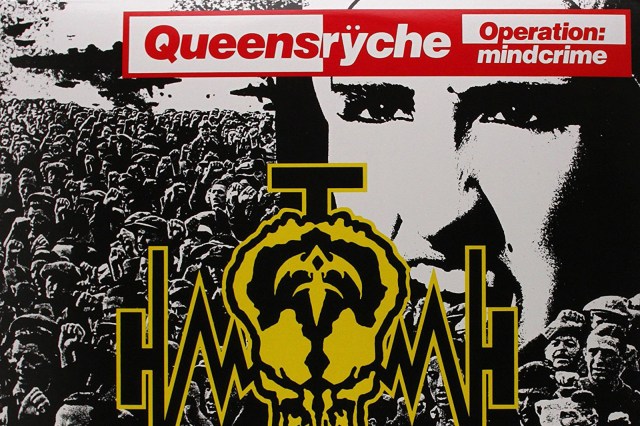
100 Essential Albums of All Time – Queensrÿche, Operation: Mindcrime (1988)

OperationMindcrime.jpg

One of the greatest purposes of music is its ability to tell a story. Even if you go back to the times of Beethoven or Mozart, the purpose for their creations was to entertain an audience with a tale through musical composition. There is a modern-day equivalent to the masters of yore and their symphonies: the concept album.

Concept albums have been a part of the music landscape since the 1940s, believe it or not. The idea behind such creations is that the whole of the songs together on an album tell a larger story, rather than the individual songs themselves standing alone with different tales. It is thought that the first “concept album” was the 1940 release Dust Bowl Ballads from folk legend Woody Guthrie and crooner Frank Sinatra’s works through the 40s and 50s had elements of a concept album in their creation. To be honest, however, the concept album has been best done by the world of rock music.

There are several legendary rock groups that can potentially lay claim to the creative idea regarding the concept album. The Beach Boys (Pet Sounds), the Beatles (Sgt. Pepper’s Lonely Hearts Club Band) and The Who (Tommy) are some of the groups that are credited with bringing the concept album to rock music, with the term “rock opera” being bandied about, in the 1960s. As the 70s came, Pink Floyd’s Dark Side of the Moon and The Wall, Frank Zappa’s Joe’s Garage and Genesis’ The Lamb Lies Down on Broadway carried the torch.

sgtpeppers

By the 1980s, however, the “rock opera” seemed to be a dying art. With the advent of Music Television (MTV), though, it became a prime opportunity for the concept album to make a return. Duran Duran did it well with an unofficial concept album in Rio (the songs weren’t necessarily telling a story, but the videos supporting the album were all filmed in Sri Lanka and Antigua, giving them an exotic feel and a common thread).

The concept album would make its biggest return in the world of hard rock/metal in the mid to late 1980s. Foremost practitioners of the concept album was the Seattle band Queensrÿche. Building a growing following with their early releases, the band was searching for a story that they could bring to their stage performances. They would come up with one of the classic albums in the history of heavy metal and a definitive entry into the concept album/rock opera Hall of Fame with the record Qperation: Mindcrime.

Operation: Mindcrime is the story of Nikki, a recovering addict who hates the corrupt, totalitarian society that he lives in. As Nikki lies in a near amnesiac state, memories slowly come flooding back to him. As a result of his dislike of the current socioeconomic state, Nikki joins a group that is thought to be “revolutionary” but, in reality, is a team of political assassins. Nikki is used by the leader of the group, the mysterious Dr. X., who looks to use certain members of the group for his own nefarious purposes. Dr. X uses Nikki’s heroin addiction to get him to submit to brainwashing techniques that, upon Dr. X uttering the word “mindcrime,” puts Nikki in a submissive state. This is what enables Dr. X to use him for whatever purpose he desires, in particular using Nikki to kill on command.

Nikki’s humanity begins to creep through, however. A corrupt priest who works for Dr. X gives the services of a prostitute-turned-nun named Sister Mary to Nikki. It is this relationship with Sister Mary that Nikki begins to question why he is doing the evil that Dr. X orders him to do. As his love for Mary grows, Nikki begins to assert himself, first killing the priest and then telling Dr. X that he no longer wants to work for him. Dr. X threatens to withhold his daily fix of heroin from Nikki to keep him in the fold, but Nikki refuses.

As Nikki returns to the church to tell Mary what has occurred, he comes upon her lifeless body. Not knowing whether he killed her or not due to his blackouts from his addiction, he slowly begins to go insane. The story ends with Nikki in a mental hospital under suspicion of killing Mary, now fully recovered from his amnesia but not knowing how he became the person he is today.

queensryche

Pretty intense stuff, huh?

When it was released in 1988, it WAS pretty intense stuff, especially for what some considered a “hair metal” band. But it was also hailed as one of the greatest concept albums ever done, put up beside The Who’s Quadrophenia and Floyd’s The Wall. The album made Queensrÿche superstars in the music world, spawning a sequel in Operation: Mindcrime II in 2006 (in which we learn that Sister Mary actually committed suicide after Dr. X threatened to kill Nikki to keep them apart) and sparking a musical career for the band that still exists today (albeit not with the same lineup; Tate left the group after Mindcrime II and Queensrÿche continues as a band without him).

What makes the album incredible is the story that is told. Sometimes you have to stretch to be able to grasp what an artist is trying to do with their work. With Operation: Mindcrime, however, there is absolutely no question of right or wrong in the story; it is entirely the case that Dr. X, with his evil organization, is attempting to use Nikki and, by extension, Mary, for his criminal ways. Another great thing is that, with Queensrÿche and Operation: Mindcrime, you can pick up at any point in the album and immediately know where you are in the story. The album also captures your attention, from Geoff Tate’s outstanding soaring vocals to the dual guitar attack from Chris DeGarmo and Michael Wilton, with the combination forming an all-out sonic assault that seems fitting for the story that is being told.

Operation: Mindcrime is not going to be for everyone’s taste. Some people won’t like the raw edge of the hard rock sound of Queensrÿche. But if that’s the only reason that people have for not hearing one of the most outstanding rock operas/concept albums of all time, then it is their fault for closing their minds.

Previous entries in the 100 Essential Albums of All-Time

Johnny Cash, Johnny Cash at Folsom Prison (1968)
The BusBoys, Minimum Wage Rock & Roll (1980)
Rockpile, Seconds of Pleasure (1980)
Metallica, …And Justice for All (1988)
Rick Wakeman, Journey to the Centre of the Earth (1974)

New Prince Album Reveals the Creative Process; Slash Just Rocks the Joint on His Return

In the world of music, there is nothing that is more interesting than the creative process. Hell, with ANY artistic endeavor, the most interesting thing is the process of bringing disparate parts together into a cohesive and entertaining form. The late Prince Rogers Nelson were arguably one of those people that had a tremendous artistic process, something that he often kept in secret for simply privacy’s sake. With his new CD, Piano and a Microphone 1983, we see the artist just before his big explosion on the musical scene, working out the kinks on some compositions that would go on to be huge for his career and some that have never seen the light of day. On the other side of the dial, Guns N’ Roses guitarist Slash is continuing on without Axl Rose (again) and his new collaboration, his third time teaming with Alter Bridge singer Myles Kennedy and the Conspirators, just flat out rocks.

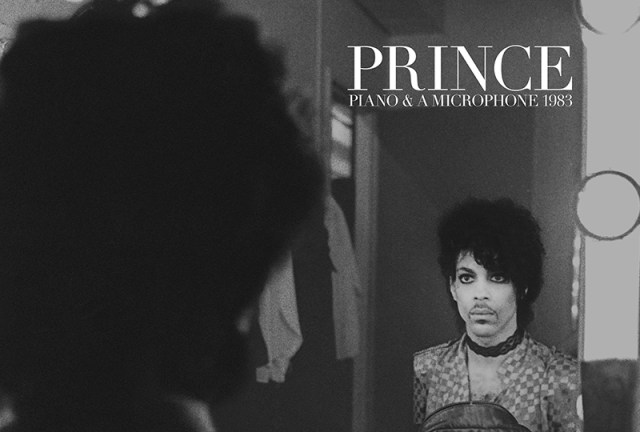
Prince1983

In 2016, the music world lost one of its greatest voices and one of its greatest creative musicians when Prince passed away from an opiate overdose. But back in 1983, Prince wasn’t the icon he had become by 2016; Prince was still a man looking to make his mark in the music world. Coming off a highly successful double album in 1999, the man known as the Purple One was considering his next step. One night, with only a microphone and a piano as accompaniment, Prince put some of those ideas onto a simple cassette tape.

The result of the recording session was the latest release from “The Vault,” the treasure trove of Prince material that was locked up for decades in his Paisley Park home. Entitled Piano and a Microphone 1983, the nine-song CD clocks in at less than 40 minutes (37, if you’d like the exact number). But what Piano and a Microphone 1983 shows is the artist in the midst of the creative process as well as some of the genius behind that process.

Leading off the album is “17 Days,” one of your typical Prince-type songs that one would expect but, stripped down to just the piano, is riveting. The fact that it is a “Prince-type song” isn’t surprising as Lisa Coleman and Wendy Melvoin, who were part of The Revolution, helped in the writing of the song (along with Revolution keyboardist Matthew “Doctor” Fink). From there, Prince goes into a little noodling of what would become “Purple Rain,” but the version found on this album is melancholier then you might expect. Other songs that Prince would become known for – “International Lover” from 1999 and “Strange Relationship,” which would show up on 1987’s Sign O’ the Times, also make their experimental debuts here.

PrinceAtPiano

It is when Prince delves into new material that the CD takes on a life of its own. Prince performs a cover of the African-American spiritual “Mary Don’t You Weep,” with a blues styling for the song bringing out so much emotion you can actually feel what Prince is trying to say. The song was used in director Spike Lee’s latest film BlacKKKlansman because Lee felt it was perfect for the film. After unveiling the emotions for “Mary Don’t You Weep,” Prince then goes back into his “funky era” with a song called “Cold Coffee & Cocaine,” complete with James Brown-esque yelps and howls. He wraps up the compilation with a beautiful song called “Why the Butterflies,” an amazing coda to a short practice session.

Even though it is fascinating to listen to the creative process that Prince is going through with the creation of this music, I’m still a little bit disappointed. It is obvious that Prince never meant for these tapes to be released; at certain points in the recording, he clears his throat, speaks directly to the technician in the studio recording this session (surprisingly, Prince tells him to turn the tape over, as if he knew how long he had been playing) or clears his throat with a cough. For Prince’s family to release these songs from “The Vault” as the first posthumous music from Prince, I feel it takes a little bit away from not only the man himself and his tremendous process in creating such wonderful music but also cheapens what should have been a grandiose occasion.

Even with this criticism, Piano and a Microphone 1983 is a priceless piece of music from what was one of America’s greatest artist. Prince may not be with us anymore, but “The Vault” should provide us with decades of music to come. Just imagine what jewels await us from Prince? Piano and a Microphone 1983 is simply the first chip off the diamond that Prince and his music was.

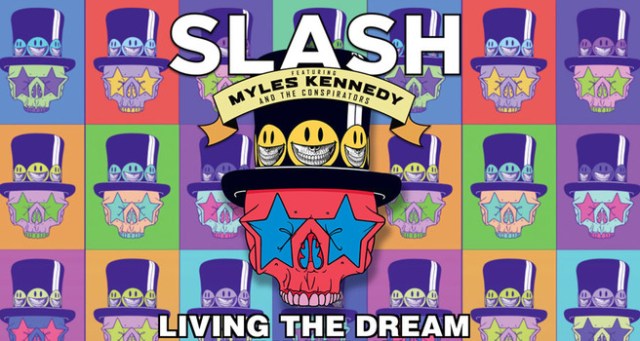
SlashMylesKennedyConspirators

Somebody who may be as prolific as Prince in the musical output department is Guns N’ Roses guitarist Slash. While Axl Rose was sitting around for the decade or so after Guns N’ Roses’ last release in 1993, Slash would go on to do his own music with a dizzying array of talent backing him up. Counting the five albums he did with the Gunners, Slash has also put up two albums with Velvet Revolver, two with Slash’s Snakepit, and one straight solo album, not to mention guesting on several songs by such artists as the late Michael Jackson, Lenny Kravitz, Bad Company’s Paul Rogers and Jimi Hendrix’s Band of Gypsies, Alice Cooper and Rhianna. Slash’s latest album is Living the Dream (technically his 13th studio release) and it features some of that talent in vocalist Myles Kennedy from Alter Bridge and an array of talented musicians called The Conspirators, who are joining Slash for their third album together.

Although his time in Guns N’ Roses has made him a hard rock and metal icon, Slash goes into his own style when he picks up with Kennedy and The Conspirators, a simply hard driving, blues-based rock and roll approach that you really don’t hear much of anymore. From the start with the song “The Call of the Wild,” Slash and Kennedy groove together instantly, with Kennedy’s soaring vocals only outdone by Slash’s crunching guitars. This continues on through such songs as “My Antidote”  and “Mind Your Manners,” but there are two songs in particular that deserve mention from this record.

SlashMylesKennedy

First song of note from Living the Dream is “Lost Inside the Girl,” a very good up-tempo rocker that is a love song about a lady that has entranced Kennedy. The song that is really the piece de resistance on the album is its first release, “Driving Rain.” It is a typical trope for rock musicians – a song about being out on the road and having to come through a whole lot of pain and torture to get to the one that you love  – but it displays both Kennedy and Slash at the top of their game. Both of these tunes are well worth the price of admission for Living the Dream.

Whether you’re looking for the remembrance of a great artist that has passed far too soon or you’re looking for something from a rocker who is still cranking it out at 53 years old, you can’t go wrong with these two releases.  Piano and a Microphone 1983 from Prince and Living the Dream from Slash featuring Myles Kennedy and The Conspirators, while offering greatly diverse material, will give you plenty of enjoyment if you’re willing to take the ride.

100 Essential Albums of All Time – Johnny Cash, Johnny Cash at Folsom Prison (1968)

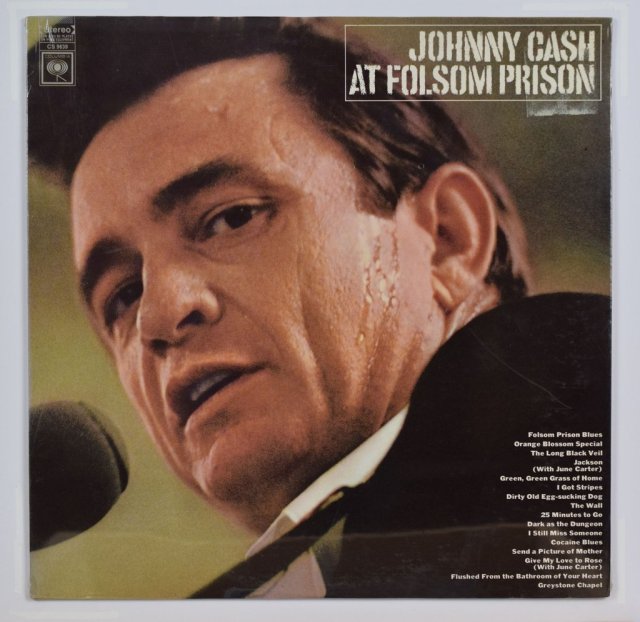
JohnnyCashFolsom

If it has something to do with music in the States of America – be it country, rock, gospel…pretty much anything short of opera – the legendary Johnny Cash has to be, if not in its Hall of Fame, then pretty damn close to it. One of only two people that is in both the Rock & Roll Hall of Fame and the Country Music Hall of Fame (the other is Elvis Presley, although an argument could be made that there are three with Sun Records owner and producer Sam Phillips), Johnny Cash is without a doubt one of the icons of music in this country. But can you believe that there was a time when Cash was on the verge of being shunned by the music industry?

After making his name in country music and, alongside his wife June Carter and the Carter Family, to a lesser extent in gospel music, Cash was at a crossroads in 1968. Battling the demons of drug and alcohol abuse, his record label, Columbia Records, was very wary of what would come next out of the “Man in Black.” Cash had a controversial idea for what approach he wanted to take for his next record:  a live recording at a state prison in California, from the man who in 1955 penned and sang the song “Folsom Prison Blues.”

The idea for this live album had been in Cash’s mind even before he wrote that famous song. Cash, while in the Air Force Security Service in 1953, saw a film called Inside the Walls of Folsom Prison. It was that film that inspired Cash to write about his views of what prison would be like. The results of that inspiration was “Folsom Prison Blues,” which became a staple of the Cash library along with “I Walk the Line,” and “Ring of Fire.”

While Cash thought that a live album at a prison would be an outstanding move, Columbia Records wasn’t as wild about the idea. It wasn’t until Cash was teamed with producer Bob Johnston from Columbia that someone from the label embraced the idea. It is rumored that Cash and Johnston contacted two prisons, Folsom State Prison and San Quentin State Prison, with Folsom winning out because they replied first.

JohnnyCashatFolsom

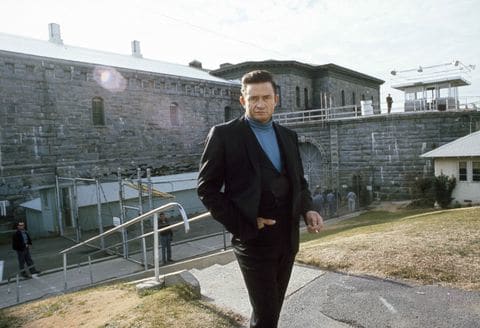
The result, Johnny Cash at Folsom Prison, became one of the benchmarks of Cash’s career despite little investment from the label and even less promotion. Cash and Carter, along with the Tennessee Three (Cash’s backup band of Luther Perkins, Marshall Grant and W. S. Holland), Carl Perkins (no relation to Luther but an occasional member of the “Tennessee Three”), the Statler Brothers, Cash’s father Ray and Reverend Floyd Gressett (who counseled inmates at Folsom), journeyed to Folsom Prison for a day of rehearsals and a day of performing. After the rehearsals and back at the hotel for dinner, then California Governor Ronald Reagan heard that the entourage was in the building and came by to encourage the group and wish them well for the performance the next day.

On January 11, 1968, the group hit the stage at Folsom State Prison. There were two shows scheduled for the day, one at 9AM and one at 12:40PM, just in case there were any issues that arose from the first show. After performances by Perkins and the Statler Brothers, Cash took the stage and blew away the prisoners in attendance with a scintillating performance. Of course, he would lead off with “Folsom Prison Blues,” but he also mixed in other tales of woe and sorrow such as “Cocaine Blues,” “25 Minutes to Go (about being on death row),” “The Wall,” “Dark as a Dungeon,” and the Tennessee Three stretched their legs with a classic version of “Orange Blossom Special.”

JohnnyCashFrontFolsom

When it was released in May 1968, Johnny Cash at Folsom Prison was hailed for Cash’s realism with the songs. Al Aronowitz of Life stated that Cash’s songs sounded like “someone who was…one of the people that the songs were about.” The emotional grip of the songs was emphasized and the audience – the inmates of Folsom Prison, whom the warden had been worried about possibly being unruly during the shows – were grateful for the performances and responded enthusiastically to seeing such acclaimed musicians considering where they were.

For Cash himself, the album marked a “rebirth” of sorts and, arguably, MADE him the legend that he would become. “(The album) was where things really got started for me again,” Cash would note in an interview with Rolling Stone. It would lead to a second “prison album,” Johnny Cash at San Quentin (1969), where a man by the name of Merle Haggard would hear him and vow to change his life so he could perform like Cash. Johnny Cash at Folsom Prison would also be the kickoff point for the remainder of Cash’s career, which ended sadly with his death in 2003.

The laurels that Johnny Cash at Folsom Prison has received are almost too numerous to mention. Along with being chosen by the Library of Congress for its National Recording Registry, the album has also been named one of the top 100 albums of all time by such outlets as Rolling Stone, Time, and Blender and was named the #3 country music album of all time by Country Music Television.

What makes Johnny Cash at Folsom Prison so special? First, it was a “live recording” in an era that wasn’t exactly embracing the format. Second, Cash’s career at that point was sputtering – some would say on life support – and his record label’s lack of support for the record could have spelled the end of his career. Finally, it was a stroke of genius to do such a record for such an audience, displaying to music fans that the people in this situation WERE actually people, people that deserved respect. It was a “liberal” idea for the time, breaking the tradition of country musicians being considered “conservative” (and something shown of late by another country music legend, Willie Nelson in his support of Democrat Beto O’Rourke in the current Texas Senatorial race).

johnnycash

The music world – ANY music world – was greatly enriched by Johnny Cash. But without Johnny Cash at Folsom Prison, it is conceivable that the “Man in Black” could have disappeared from the annals of music history.

100 Essential Albums of All Time – The BusBoys, Minimum Wage Rock & Roll (1980)

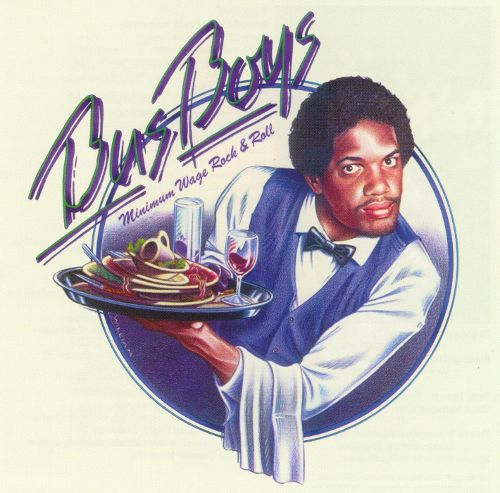
MinimumWageRockandRoll

The history of rock and roll – hell, the history of recorded music, be it country, pop, or otherwise – is replete with those groups, bands and singers who didn’t quite make it into the cultural mainstream. For every group like the Beatles, the Rolling Stones or Aerosmith (or virtually any other member of the Rock & Roll Hall of Fame), there are literally thousands of other bands who didn’t quite reach their level of popularity. Sure, some may have had that proverbial “cup of coffee” with the music industry – here’s a salute to you, One Hit Wonders! – but there are many more who never even achieved that level of success.

Arguably one of those who falls into one of the categories above – and which category is almost as difficult as categorizing their musical stylings – is the California group The BusBoys. Founded in Los Angeles in the late 1970s as disco was beginning its demise, The BusBoys featured singer/keyboardist Brian O’Neal and his brother, Kevin (bass), as the driving force behind the group. Joined by singer Gus Louderman, who handled most of the lead vocals for the band, Mike Jones (additional keyboards), Victor Johnson (guitars) and Steve Felix (drums), The BusBoys made inroads into the music world – and, in particular, the rock music world – although something wasn’t quite what some would expect…maybe you can identify it.

TheBusBoys

That’s right. The entirety of the band was black save for Felix, who was Hispanic, and the band played driving rock music with both a rhythm and blues feel as well as tidbits of new wave tossed in. Lyrically the band took on some rather touchy subjects – even more then than they might be now – such as working for less than what one deserves, nuclear annihilation, minorities moving into the suburbs, the Ku Klux Klan, where blacks “should be,” and a host of other charged issues. Just as you would think there were too serious, then The BusBoys would break out the party time tunes and just rock your ass off!

The BusBoys released their debut album, Minimum Wage Rock & Roll, to resounding critical acclaim. Feted for their efforts at combining diverse musical genres as surf rock, new wave, doo wop and rock and pop stylings, Minimum Wage Rock & Roll didn’t have a weak point on the entirety of the album. The first song off the record, “Dr. Doctor,” was a stomping rock and roll song sung with gusto by the bluesy Louderman while the O’Neal brothers and the rest of the ‘Boys jammed behind him. “Minimum Wage” brought a Clash-esque vibe into the mix while discussing what someone had to do to make a living.

The BusBoys weren’t done yet. The group hit its stride on the record with “There Goes the Neighborhood” (not the version done by Ice-T and Body Count, let me assure you), a tune about how “the white folks movin’ in/there gonna bring their next of kin” – or a juxtaposition of what many suburban communities say when minorities come into their previously sacrosanct areas. “Johnny Soul’d Out” could be The BusBoys’ autobiography and an ode to Chuck Berry’s Go Johnny Go – about a singer/musician who is “into rock and roll and giving up the rhythm and blues.” The first side is rounded out by the Ramones-blitz of “KKK,” a recital of how a black man is good enough to do such things as go to war, but not allowed to fully be a part of the “American” culture.

The second side featured some strong material also. “D-Day” focused on the aftermath of a nuclear holocaust, while “We Stand United” and “Respect” reflected on the desires of many just to be accepted for what they are. There’s even a bit of a R&B/new wave influenced “grinder” called “Anggie” (the first sexual experience) and a song about being an athlete and ready for their starring moment (“Tell the Coach”) to add to the excellence of the album.

What made Minimum Wage Rock & Roll such an essential album was the racial comportment of the band – blacks just didn’t DO rock music in this era (Bad Brains were about the only other black rock band of this era as it was a few more years before Living Colour would reach prominence) – and the myriad of musical stylings that were featured on the album. Trying to include such a mixture of musical stylings would have been a failure in the hands of a lesser group; The BusBoys made it sound like it was all in a typical Friday night of partying with the band.

https://www.youtube.com/watch?v=AA_QjGEoOq4

The BusBoys, alas, were like the proverbial Roman candle, rocketing into the stratosphere in a blur of flashing colors only to flame out or crash rather quickly. The band was featured in the Eddie Murphy/Nick Nolte classic 48 Hrs. as the bar band playing in Murphy’s “black” bar, and they contributed the title track, “The Boys are Back in Town,” to the soundtrack of the movie. Just as it seemed that they were ready to take off, however, The BusBoys crashed to earth.

The second album, American Worker (1982), for some reason did not feature “Boys” on it (although it featured another song that The BusBoys performed in 48 Hrs. called “New Shoes”). It did feature, however, a version of “Heart and Soul” that would be more successful for Huey Lewis and the News a year later. Although it reached the charts in the U. S., it wasn’t nearly as successful as Minimum Wage Rock & Roll and would signal the end of the run for The BusBoys, although they have continued recording (two more albums, Money Don’t Make No Man and (Boys Are) Back in Town, which finally corrected the error of The BusBoys not being able to put “The Boys are Back in Town” on one of their albums earlier) and are still active today.

Part of the reason that we all love music is its abilities to be able to surprise you. When you’re not even able to drive and discover that there are rock bands that aren’t lily white (I knew about Hendrix but hadn’t discovered Phil Lynott at that point) that are just as good if not better than what you’re being told is “rock & roll,” it has a way of sticking with you. The BusBoys to this day are a band that remains one of my favorites and their opus was Minimum Wage Rock & Roll. If you’ve never heard it or the band, you’d be well advised to check them out.

Previous entries in the 100 Essential Albums of All Time:

Rockpile – Seconds of Pleasure

Metallica – …And Justice For All

Rick Wakeman – Journey to the Centre of the Earth